
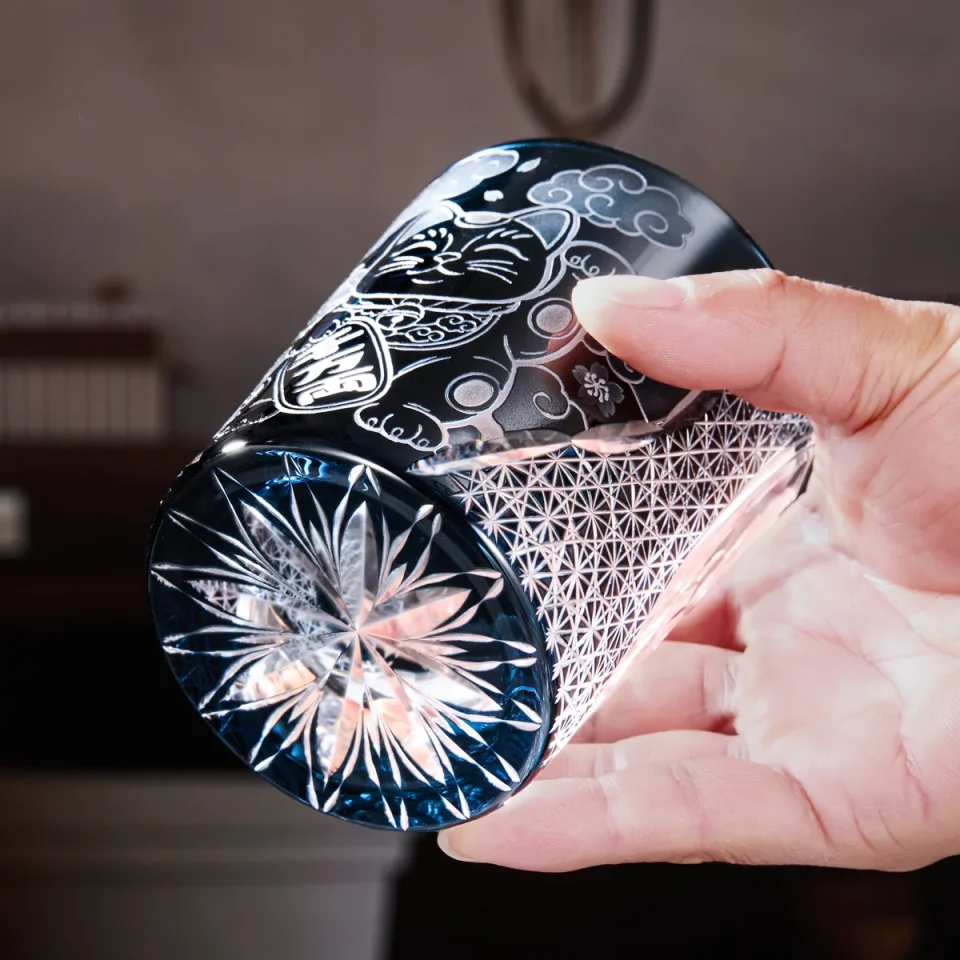
Pour the same whiskey into a Glencairn, a copita, and a heavy rocks tumbler, and you will get three different drinks. Not because the whiskey changed — because the glass changed what reaches your nose. If you have ever wondered why one glass smells like caramel and orchard fruit while another smells like a nail-polish remover wipe, the answer comes down to physics, not superstition. This guide explains the science in plain language, maps each classic glass shape to its best use, and shows you how to nose whiskey like a pro.
The Science: A Rim Is an Air-Traffic Controller for Aroma
What we call “taste” is mostly smell. Aromatic compounds travel from the liquid’s surface up through the neck of the glass toward your nose — but they do not travel alone. Ethanol vapor rides the same currents, and it is aggressive: a concentrated blast of alcohol fumes irritates the nostrils, masks delicate aromas, and triggers what scent professionals call olfactory fatigue, where your nose simply stops registering what it is smelling.
Glass geometry decides how those vapors behave on the way up. A narrow, gently tapered rim concentrates the light, fruity aromatic compounds toward a small opening while letting heavier ethanol vapors disperse and escape over the top edge. A wide, straight-walled mouth does the opposite — aromas spread out and dissipate, while a bigger opening invites a fuller dose of raw alcohol vapor with every sniff. Instrumental imaging of glass “vapor rings” and peer-reviewed research on vessel design (including work on wine glasses published in outlets like Scientific American) both point to the same conclusion: the shape of the rim and bowl genuinely changes the aroma-to-burn ratio you experience.
This is also why the same whiskey can taste harsh in one glass and mellow in another, and why the burn intensifies when you bury your whole nose inside a wide glass. You are not imagining it — you are inhaling a different mix of molecules.
The Four Classic Whiskey Glass Shapes — and What Each Is Actually For
Whiskey glassware has evolved into a small, practical taxonomy. Each shape wins at a different job:
Copita — the professional’s choice
The copita, with its small bowl and elegant tulip flare, is the traditional shape of distillery blenders and master distillers. Its narrowed rim focuses aroma precisely, which is why it remains the default at professional tastings where concentration and repeatability matter more than comfort.
Glencairn — the modern all-rounder
The tulip-shaped Glencairn-style tasting glass has become the default glass of the modern whiskey community. It narrows toward the rim to concentrate aromas while offering a stable base and enough volume for a standard pour. If you attend a tasting event or follow enthusiast forums, this is the glass you will see in most people’s hands — it has earned that position by being an excellent balance of aroma focus and everyday usability.
Snifter — for warming, not for tasting
The large balloon-shaped brandy snifter cradles warm aromas beautifully, but its huge bowl and wide interior put your nose deep inside ethanol territory. Traditional guidance reserves it for short, gentle sniffs of well-rested spirits — it is a warming glass, not a precision-tasting glass.
Rocks tumbler — the ice glass
The wide, heavy-based old-fashioned tumbler is not designed for nosing at all. Its generous opening lets aroma dissipate quickly, which is precisely the point: it is built for whiskey with large ice cubes, room to swirl, and comfortable, casual sipping. Trying to evaluate delicate aromas through a tumbler is like judging a perfume through a window — the glass simply is not doing that job.
Some glassmakers have published in-house comparisons claiming tulip-shaped glasses deliver noticeably more aroma and less burn than tumblers. These vendor-run experiments are interesting and directionally consistent with the physics, but they are not independent, peer-reviewed science — treat them as a maker’s engineering intent rather than proof.
How to Nose Whiskey: Technique Matters as Much as the Glass
Owning the right glass is half the job; the other half is how you use it:
- Keep your nose slightly above the rim. Hover just over the opening instead of plunging your nose inside — this keeps ethanol vapor from dominating the sniff.
- Take short, gentle sniffs. One deep inhale will stun your nose; three or four short sniffs reveal far more.
- Rest between sniffs. Your sense of smell fatigues quickly around alcohol. Give it a few seconds to reset.
- Add a splash of water if it stings. A little water tames ethanol volatility and can open up tighter aromas — a technique professionals use constantly.
Practiced this way, a proper nosing glass turns tasting from “sniff, wince, sip” into a controlled exploration of the whiskey’s actual aromas.
Temperature, Ice, and Why One Glass Cannot Do Everything
Shape interacts with temperature and ice. Chilled whiskey throws off less aroma, so the glass you use for a cold, ice-laden pour is inevitably a compromise on nosing. That is why the rocks tumbler and the nosing glass coexist rather than compete: the tumbler’s wide bowl is built around big ice and generous swirling room, while the tulip’s narrowing is built around aroma concentration at room temperature. Households that drink whiskey both ways — neat tastings and iced evening pours — genuinely need two shapes. No single glass serves both masters well.
Building a Two-Glass Whiskey Setup That Actually Works
The practical takeaway is refreshingly simple:
- One tulip-style nosing glass (or a Glencairn-style glass) for tasting whiskey neat or with a few drops of water.
- One solid rocks tumbler with a thick base for large ice cubes and relaxed sipping.
That two-shape pairing covers the full ritual — precision when you want to understand a whiskey, comfort when you just want to enjoy one. Cristamor’s The Tasting Flight set is built around exactly this logic, pairing a dedicated nosing glass and a Glencairn with a hand-cut crystal rocks glass in one collection.
Material matters too. Cristamor’s glasses are hand-cut from lead-free optical-grade K9 crystal, a material prized for exceptional clarity and brilliance — the kind of glass that shows the whiskey’s true color and feels substantial in the hand. If you want to understand what makes that material different from ordinary glassware, see our guide to K9 optical crystal and our comparison of K9 crystal vs. lead-free crystal whiskey glasses.
For the ice side of the pairing, a heavy hand-cut tumbler such as the Amber Fuji Wave hand-cut crystal tumbler anchors the evening pour, while the rest of the Cristamor shop covers everything from single tumblers to full bar collections.
Quick Buyer’s Checklist
- Tasting neat or with water? Choose a tulip-narrowed nosing or Glencairn-style glass.
- Drinking on the rocks? Choose a wide, heavy-based rocks tumbler that fits large ice.
- Nosing technique: short sniffs, nose above the rim, rest between sniffs.
- Buying crystal? Look for lead-free material and genuine hand-cut detailing — here is how to spot real hand-cut crystal.
- Gifting? A shaped set (nosing + rocks) suits both beginners and enthusiasts — see the Cristamor gift collections.
Frequently Asked Questions
Does whiskey glass shape really matter?
Yes — rim geometry measurably changes the mix of aroma and ethanol vapor reaching your nose, which changes what you smell and taste. The effect is physics, not placebos.
What is the best glass for nosing whiskey?
A tulip-shaped nosing glass or a Glencairn-style tasting glass concentrates aromas while keeping ethanol away from your nose, which is why professionals and enthusiasts default to them.
Can I taste whiskey in a regular tumbler?
You can, and it is the right choice over ice — but a wide tumbler lets delicate aromas escape and delivers more ethanol vapor, so it is the wrong tool for evaluating a whiskey’s nose.
Why does the same whiskey taste different in different glasses?
Different rim and bowl shapes deliver a different aroma-to-ethanol ratio to your nose — the liquid is identical; the vapor mix you inhale is not.
Conclusion: Match the Glass to the Moment
Whiskey glass shape is not a luxury affectation — it is applied physics you can taste. Narrow rims respect delicate aromas; wide tumblers respect big ice. Learn one simple nosing technique, keep one tulip glass and one rocks glass on the shelf, and every pour gets the vessel it deserves.
Ready to complete your setup? Explore The Tasting Flight and the full Cristamor crystal whiskey glass collection — hand-cut, lead-free crystal designed for the way you actually drink.