
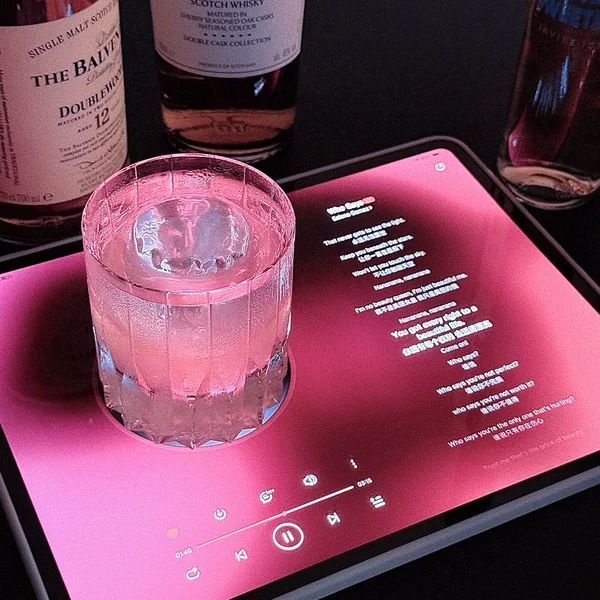
Buy a nice whiskey glass and the same worry shows up sooner or later: is this thing actually safe to drink from? The question comes up constantly in whiskey communities — people ask whether their crystal Glencairn-style glasses contain lead, whether an engraved tumbler is safe for everyday pours, and whether an old crystal decanter is dangerous to keep whiskey in. This guide answers all three honestly, without fear-mongering and without pretending the nuance doesn’t exist.
The short answer
Yes — lead-free crystal glasses are safe to drink from, and virtually all modern drinkware made for everyday use is lead-free. Retailer and manufacturer guidance converges on the same point: modern drinking glasses are produced without lead, and reputable companies have their glassware tested for lead and cadmium before selling it. The genuine safety conversation isn’t about drinking from a lead-free glass; it’s about storing alcohol for long periods in traditional lead crystal. That distinction is where almost all of the confusion lives, and it’s exactly what this guide untangles.
What “lead-free crystal” actually is
Traditional lead crystal gets its sparkle, weight and ring from lead oxide in the glass. Lead-free crystal achieves the same visual and acoustic qualities by swapping that lead oxide for other metal oxides — most commonly barium oxide, zinc oxide, potassium oxide, or titanium oxide. These substitutes are what give K9-style and other modern crystal glasses their clarity and refractive sparkle.
Does anything leach out of them?
The oxides used in lead-free crystal are stable within the glass matrix — they are not the leaching concern that lead oxide is. That’s why lead-free crystal is considered suitable for both everyday drinking and long-term storage in a way traditional lead crystal is not. If you want the material deep-dive — including how K9 crystal compares to lead-free crystal compositions — we cover it in our K9 crystal vs lead-free crystal guide.
Where the fear comes from — and what’s actually true
The worry isn’t irrational. Lead is a real neurotoxin, and lead crystal is a real product with a long history. The nuance is how lead moves out of lead crystal, and the answer is: slowly, and mainly under one specific condition.
Storage is the risk, not sipping
A frequently cited 1991 study published in The Lancet measured port wine stored in lead crystal decanters and found lead levels climbing steadily over weeks and months of contact. Short contact is a different story: a drink that sits in a glass for an evening picks up far less, which is why health guidance has historically focused on storage rather than sipping. This matches the consensus you’ll find in whiskey communities: serving a dram or a cocktail in crystal is one thing; letting liquor sit in a lead crystal decanter for weeks is another entirely.
Decanters deserve the real scrutiny
Because decanters are built for storage, they’re where the lead question genuinely matters — and it’s why lead-free construction is the sensible default there. Lead-free materials do not leach into spirits regardless of how long the whiskey is stored, which removes the entire time-limit dilemma. If you’re choosing a decanter, our decanter set buying guide walks through exactly what to check.
The honest counterpoint
To keep this guide trustworthy: a minority view in the crystal world holds that lead crystal used “in an ordinary way” — drinking, not storing — has never been convincingly linked to harm, and that no scientific evidence supports the scarier claims for normal use. You’ll encounter this argument, and it isn’t unreasonable as far as casual drinking goes. Our position is simpler: since lead-free crystal delivers the same clarity and brilliance without the debate at all, there’s no reason to run the experiment on yourself.
How to verify a glass before you buy
Because “crystal” is a marketing word as much as a materials one, verification beats trust. Before buying expensive crystal drinkware:
- Look for the lead-free label — and prefer sellers who state the material composition plainly.
- Check whether the manufacturer mentions lead and cadmium testing. Reputable glassware companies do, and they say so.
- Be careful with antique or unlabeled crystal — assume older pieces may be lead crystal, and don’t store liquor in them.
- Ask how engraving is done — sand-etching is safe regardless of composition, but the base material is what matters for contact.
This checklist also applies when you’re buying for someone else. Our bourbon gift glass guide and whiskey gift quality checklist both build on it.
Caring for crystal so it stays safe and clear
Safety is also maintenance. Crystal — lead-free included — is softer than soda-lime glass and hates dishwashers: heat, harsh detergent and knocking gradually cloud and weaken it. Hand-wash with warm water and mild detergent, dry with a lint-free cloth, and store glasses upright. Full routine in our crystal cleaning guide.
Where Cristamor stands
Every Cristamor whiskey glass is hand-cut lead-free crystal — the sparkle and ring of traditional crystal, built from stable oxide compositions, with no lead in the glass and no storage caveats attached. Whether you’re picking a daily tumbler, a nosing glass, or a gift set, the safety question is already answered before the first pour. If you’re still deciding between glass shapes, our Glencairn vs rocks comparison covers which one fits how you actually drink.
Conclusion
Are lead-free crystal glasses safe? Yes — that’s the point of the category. Modern lead-free crystal exists precisely so drinkers get the beauty of crystal without the lead question, and its oxide substitutes are stable, tested and storage-safe. Reserve your caution for old unlabeled lead crystal and long-term liquor storage, verify labels when buying expensive glassware, and your daily pour is exactly as safe as it should be.
Ready for a glass that answers this question by design? Browse the Cristamor lead-free crystal collection at cristamor.com.