
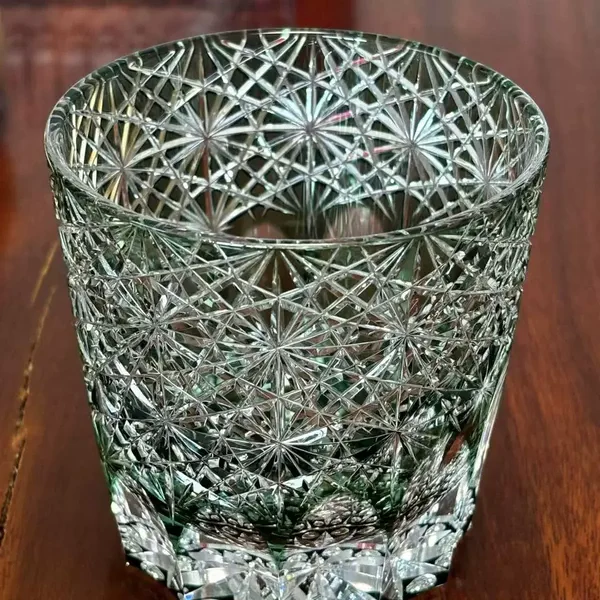
A crystal decanter is one of those purchases that looks purely decorative — until you learn that the material itself matters for what you pour into it. Safety-minded shoppers have been driving real change here: tested editorial roundups now list lead-free crystal as an explicit quality criterion for whiskey decanters, and expert review lists dedicated entirely to lead-free models keep multiplying.
This buyer’s guide walks through exactly what to check before you buy — the material, the seal, the wall thickness — plus an honest explanation of the traditional-crystal risk that started this whole shift. No scare tactics, no marketing fog. Just what to verify, in the order that matters.
First, the Honest Risk Talk: Traditional vs. Lead-Free Crystal
Traditional “full-lead” crystal earns its famous sparkle from lead oxide in the glass. The widely raised concern is that lead can migrate into spirits — especially over long storage — and it’s exactly this concern that sends shoppers hunting for lead-free alternatives. Barware retailers have responded by positioning lead-free crystal as the way to keep liquor “pure and safe,” with airtight seals and clarity as the supporting selling points.
Two honest framing notes before the checklist:
- The risk profile depends on use. Guides that cover decanters thoughtfully consistently describe them as serving vessels — pour from the bottle, present from the decanter — rather than long-term storage containers. That guidance exists for good reason, whatever your decanter is made of.
- Lead-free doesn’t mean lower quality. Modern lead-free crystal is what premium glassware increasingly uses — including optical-grade crystal — because it delivers the brilliance without the lead.
With that foundation, here’s the checklist.
Check #1: The Material — What “Lead-Free Crystal” Actually Means
“Crystal” on a product page can mean several different materials, so make the seller tell you which one you’re buying:
- Full-lead crystal — the traditional formula with lead oxide. Maximum sparkle, and the reason the safety conversation exists.
- Lead-free crystal — modern formulations that replace lead with other metal oxides to achieve similar brilliance and weight.
- Optical-grade crystal (like K9) — the same class of optical material used for lenses and prisms, prized for exceptional clarity. We use it for every Cristamor glass — here’s why K9 optical crystal isn’t ordinary glass.
On “certification”: be skeptical of vague badges. The practical verification is material disclosure — a maker that confidently states what its crystal is (and what it isn’t) is showing you the same trust signal a certificate would. If a listing can’t tell you the material, treat that as an answer. And for cut crystal, authenticity matters too: how to spot real hand-cut crystal covers the tells. For a deeper material comparison, see K9 crystal vs. lead-free crystal whiskey glasses.
Check #2: The Seal — Where Most Decanters Quietly Fail
The stopper is not an accessory; it’s the functional heart of the decanter. Tested editorial reviews consistently call out seal quality as what keeps stored whiskey from oxidizing, and premium-guide benchmarks make an airtight stopper a baseline requirement for any decanter worth its price.
What to check in person (or in photos):
- The stopper should seat snugly with a slight resistance — not wobble, not require force.
- Look for a ground glass joint or precision-fitted stopper rather than a loose decorative top.
- A good seal protects the pour; it does not turn the decanter into a bottle replacement — see the next check.
Check #3: Wall Thickness & Weight
Hands-on review lists of lead-free decanters repeatedly highlight thick walls — and for good reason. Wall thickness drives three things you can feel:
- Durability — thin decanters chip at the base and rim.
- Presence — weight is what makes crystal feel like crystal on the table.
- Light play — thick, well-finished walls catch and bend light; that’s the show you’re paying for.
Tip: heavy base, substantial walls, but a rim that’s still smoothly finished — that combination is the mark of a well-made piece.
Check #4: Serving, Not Storing
The premium benchmarks agree on this: a decanter is for serving and presentation, not for parking whiskey in for months. A good airtight seal protects the spirit across the weeks you’re enjoying it — but the whiskey bottle remains your long-term storage. Build your ritual accordingly: decant for the evening, the dinner, the shelf-worthy display; rebottle what you won’t finish soon.
Check #5: The Care Reality
Fine crystal — lead-free included — rewards hand washing. Dishwasher heat and detergent gradually dull polished and cut surfaces, which is why quality barware guides steer owners toward gentle manual cleaning. Before you buy, be honest with yourself about the care ritual; if you’re new to it, our complete hand-cut crystal care guide and gentle cleaning guide that prevents cloudiness cover everything in a few minutes. (And if you’ve wondered about shortcuts, here’s the honest answer on whether crystal can go in the dishwasher.)
Don’t Forget the Glasses Beside the Decanter
A decanter is only half the presentation. The glasses you pour into do the daily work — and the same material logic applies. Cristamor whiskey glasses are hand-cut from K9 lead-free optical crystal: no lead, exceptional clarity, facets cut by hand so the light show continues from decanter to tumbler. Explore the Cristamor hand-cut crystal collection to pair with your decanter — or to start your lead-free setup with the pieces you’ll actually use every night.
Frequently Asked Questions
Is lead-free crystal really safer for whiskey?
That’s the entire premise of the market shift: safety-focused retailers position lead-free crystal as the way to keep liquor “pure and safe,” and tested editorial roundups now list lead-free crystal as an explicit buying criterion. For spirits you serve regularly, lead-free removes the material question entirely.
Do I need a lead-free decanter if I only use it for serving?
Serving-only use shortens contact time, which is why some guides treat traditional crystal as acceptable for short-term presentation. But since lead-free options now match traditional crystal for sparkle and weight, choosing lead-free means you never have to think about it.
How do I verify a decanter is really lead-free?
Look for clear material disclosure from the maker — the specific crystal type, stated plainly. Reputable makers name their material (lead-free crystal, K9 optical crystal) because it’s a selling point. A listing that won’t say what it’s made of is telling you something too.
The Last Wrap
Buy the decanter for the table, but vet it like equipment: lead-free material with real disclosure, an airtight stopper, honest wall thickness — and a care ritual you’ll actually follow. Get those right and the piece will pour beautifully for decades.
Going lead-free? Complete the setup with Cristamor hand-cut K9 crystal whiskey glasses — lead-free optical crystal, cut by hand, made to be used and admired.