
Two whiskey glasses can sit side by side on a shelf, look similar, and differ in price by ten times. So what are you actually paying for? The honest answer has three layers — the material, the craftsmanship, and the design — plus a fourth question most guides skip: where does genuine value end and jewelry begin? This guide breaks all four down, so you can judge a glass’s price on its merits instead of its marketing.
Layer One: The Material
Crystal costs more than ordinary glass because the material itself does more. The mineral content that distinguishes crystal gives it greater clarity — whiskey’s amber color reads truer through a colorless bowl — along with a satisfying heft and better resistance to scratches and shattering, which translates into years of service. That longevity is the practical case for the premium: a well-made crystal glass is a purchase you make once.
The material story is also the first place quality differentiates. Lead-free crystal — the modern standard for drinkware — delivers the clarity and weight of traditional crystal without lead. Thinner, cheaper soda-lime glasses may look similar under store lighting, but they typically feel lighter, ring less, and show wear sooner.
Layer Two: The Craftsmanship
This is the layer where prices genuinely diverge. Most fine crystal is still hand-blown and hand-finished rather than machine-molded — heritage crystal houses have kept the process largely unchanged for centuries. When you hold a hand-made glass, you’re paying for the mineral content, but you’re paying far more for the hours: an artisan gathering, blowing, and finishing each piece individually.
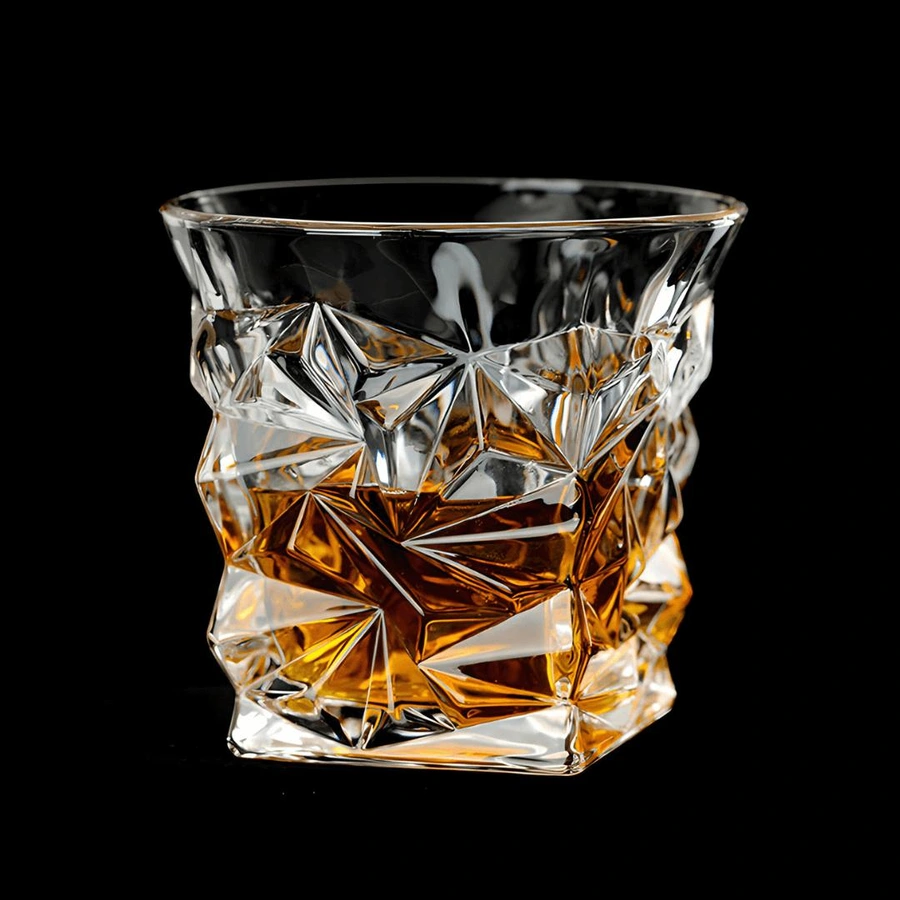
You can see the craft depth in a hand-cut piece — every facet is cut by hand, not molded.
Craftsmanship also explains why crystal takes hand-cut decoration so well. The mineral structure is more malleable than ordinary glass, letting a cutter carve intricate patterns into the surface without compromising the glass — sharp, defined facets that pressed or molded glass can only imitate with smooth, worn-looking detail.
An honest caveat belongs here: hand-blown glassware’s delicacy is real. Its thin walls are part of the refinement — and also the reason it “crashes into a million pieces” when it breaks, as one wine writer put it. Hand-made value and fragility travel together; how much delicacy you want in a whiskey glass is a legitimate personal decision.
Layer Three: Design That Works (vs Design That Decorates)
Tested glassware reviews keep converging on the same short list of features that actually change the drinking experience. Use it as a checklist:
- A polished or cut rim — comfortable on the lips and, if tapered, helps deliver aromas.
- A bottom-heavy base — makes the glass stable and hard to knock over; testers repeatedly flag this as the difference between a bar glass and a shelf ornament.
- Balanced weight and grip — heavy enough to feel substantial, shaped so it doesn’t fatigue your hand.
- Clean geometry — facets and cuts that catch light are legitimate craft (and hold value), but evaluate whether they help or hinder the grip and wash.
The dividing line: features that change how the glass performs are functional value; features that only change how it photographs are decoration. Both can be worth paying for — just know which one you’re buying.
The Price-Tier Map
Understanding the tiers makes any price tag legible:
- Quality lead-free crystal (the accessible tier): machine-made or semi-handmade, excellent material, honest pricing per glass. This is the everyday-luxury zone — including faceted, hand-cut designs that deliver most of the craft story at a working price.
- Heritage crystal houses (the classic tier): names like Waterford built on generations of cut-crystal patterns — the iconic Lismore among them — with accessible lines alongside premium ones.
- The maison tier (Baccarat, Saint-Louis, Lalique, Hermès): fully hand-made, collector-positioned pieces. Enthusiasts describe the flagship designs as outrageously expensive but iconic — jewelry that happens to hold whiskey.
Where Value Ends and Jewelry Begins
Now the honest part. Whiskey communities include a credible skeptic voice, and it deserves a real answer rather than a dismissal. The strongest points: glassware is an expendable resource — glasses will break, eventually, no matter what they cost; and some pricing (elaborate gift accessories, four-figure single glasses) is luxury positioning, not materials or hours. One popular counterargument says it plainly: money spent on a extravagant glass could buy a better bottle.
Our view after breaking down the layers: the value curve is real but not infinite. Material and craftsmanship buy genuine, durable differences you can see and feel every day. Beyond that, you’re buying provenance and jewelry — a legitimate pleasure, but a different category of purchase. Pay for the first two layers with your head; buy the third only with your heart.
How to Verify What You’re Paying For
Three quick checks separate genuine craft from imitation:
- Cut vs pressed: hand-cut facets have sharp, defined edges; pressed glass patterns feel smooth and soft, like relief molding.
- Weight and balance: quality crystal feels substantial with a stable base — not necessarily heavy overall, but planted.
- Care requirements: fine crystal rewards gentle handling — hand-wash delicate rims, avoid sudden temperature swings. A vendor who explains care honestly is usually a vendor who made the glass properly.
The Cristamor Position
Cristamor glasses are built in the layer where value is highest per dollar: genuine lead-free crystal, hand-cut faceting that’s sharp to the touch (not pressed), and functional design — heavy planted bases, comfortable weight — at a working price. We’d rather sell you the first two layers of value than decorate the third. If you’re choosing a material, our optical crystal vs lead crystal guide covers the science; if you’re choosing a shape, start with Glencairn vs whiskey tumbler; and if the glass is a gift, see our custom engraving guide.
The bottom line: valuable whiskey glasses earn it three ways — material, hours, and working design. Judge each layer on its own merits, verify the cut, mind the care, and spend your jewelry budget consciously. Browse the Cristamor collection for hand-cut lead-free crystal glasses that put your money into the layers that last.