
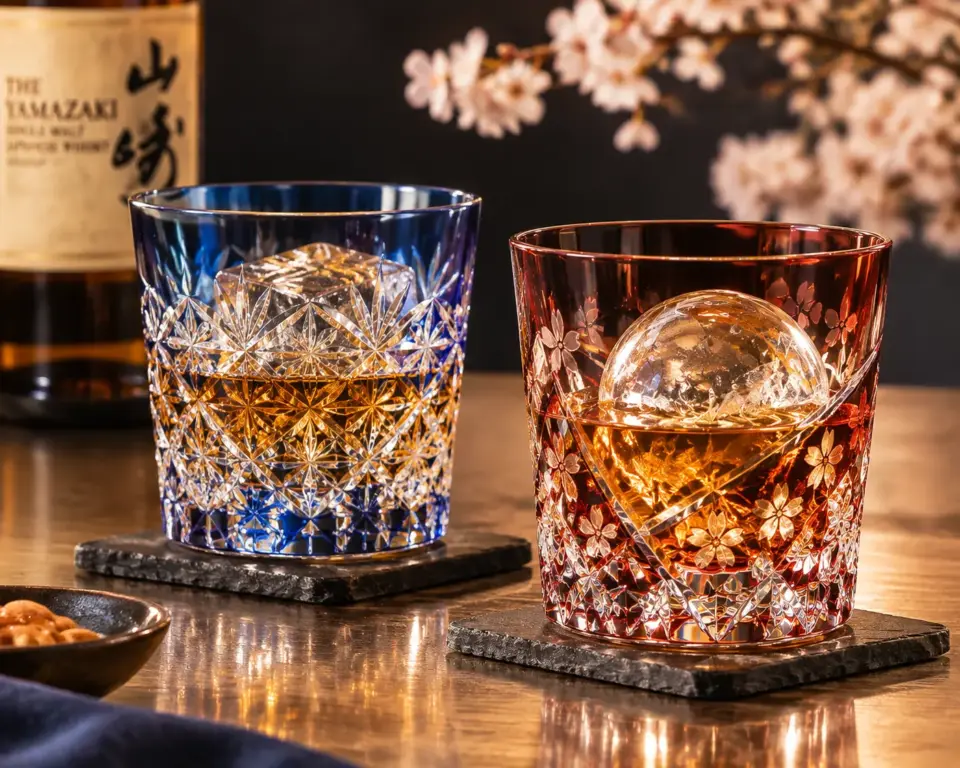
Ask a skeptic and they’ll tell you a glass is a glass — it holds liquid. Ask someone who has tasted through hundreds of drams and you’ll get a different answer entirely. The gap between those two views isn’t snobbery; it’s four distinct layers of value that only become visible once you start paying attention. Here’s the full enthusiast case for glassware — from international standards to collector pride.
Layer 1: The Standards Layer — Glass Choice Is Codified, Not Subjective
The strongest rebuttal to “a glass is a glass”: the whiskey industry itself disagrees. The Scotch Whisky Association endorses tulip-format glasses for nosing assessments, and the ISO 3591:1977 sensory analysis standard specifies a similar tulip shape for spirit evaluation. Competitions and festivals from Scotland to Kentucky to Japan use the tulip-shaped Glencairn as their standard judging glass — professionals rely on it because it delivers reliable, repeatable tastings. When a whole industry standardizes on a shape for evaluation, that’s not marketing; that’s engineering.
Layer 2: The Science Layer — Shape Changes What You Smell and Taste
The mechanism behind the standard: narrow openings concentrate volatile aromas; wide openings disperse them. Reviewers who have tasted thousands of whiskies consistently report that the right glass is one of the simplest ways to get more from every dram — no expensive bottle required. And it’s not only about the nose: glassware shapes what you experience on the palate too, which is how a proper glass separates an exceptional bottle from a merely good one. We covered the full mechanism in why whiskey smells different in different glasses.
Layer 3: The Ritual Layer — Whiskey as Ceremony
Beyond function, quality glassware provides tactile pleasure that complements the whiskey’s flavors — the weight in your hand, the cut facets under your fingers, the sound of ice settling. For many enthusiasts, drinking whiskey is a ritual steeped in tradition: approaching the nose at different distances to follow aroma development, swirling with control, letting the dram rest and evolve between evaluations. The glass is the stage for all of it. This is why the drinking experience differs between a hefty crystal rocks glass and a lightweight tumbler even before any whiskey is poured.
Layer 4: The Identity Layer — Collectors, Heirlooms, and Pride of Ownership
The deepest layer is the one outsiders see least: glassware as identity. Collector communities discuss heirloom-quality pieces the way watch enthusiasts talk about complications — pieces that spark questions from guests, that get chosen deliberately for a specific bottle, that are “expensive but heirloom quality.” Handcrafted glass gifting has grown into one of the most considered choices for someone who values the ritual of a well-made drink. At this layer, the glass isn’t equipment; it’s part of the story you tell about what you enjoy.
So What Actually Matters When Choosing?
Stripping away the layers, the practical criteria stay consistent across every tier:
- Shape for purpose — tulip/tasting shapes for nosing; wide-mouth rocks glasses for cold, diluted, slow drinks (the rocks vs tasting glass decision deserves its own honest answer).
- Material — lead-free crystal gives the ring, refraction and thin-yet-strong walls without the lead caveat.
- Weight and balance — the tactile layer is real; a glass that feels substantial changes the ceremony.
- Craft — hand-cut facets aren’t decoration; they’re grip, light, and the maker’s signature.
The Cristamor Position
Cristamor glasses are built for enthusiasts who have climbed all four layers: the lead-free crystal rings when you toast, the hand-cut facets catch light and grip the palm, the shapes are engineered for real aroma behavior (not just aesthetics), and the pieces are made to be collected and given — not just used. If you’re at the start of the journey, our Glencairn vs rocks guide will help you choose your first serious glass. If you’re building a collection, the collector’s guide covers how to build one you can actually drink from.
Ready to choose glassware that matches your level of interest? Explore the Cristamor hand-cut crystal collection — where the standards, the science, the ritual and the identity all meet in a single piece.