
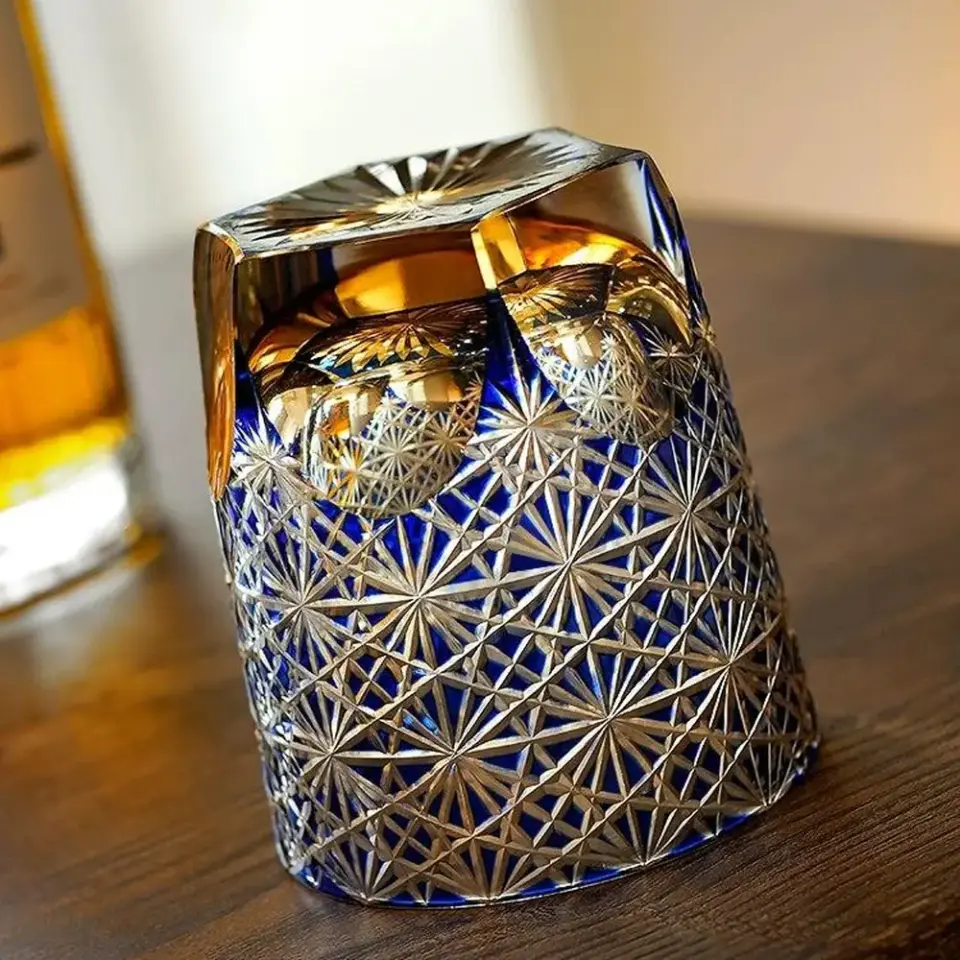
“Is engraving worth it?” is the question every personalized-glass buyer eventually types into a search bar. The honest answer: it depends on what you’re buying it for — and the trade-off is more interesting than most product pages admit. Engraving deepens emotional resonance and thrives for gifts and occasions, while it can reduce appeal where uniformity and collector value matter. Here is the complete decision framework: what engraving techniques actually differ, whether designs wear off, when personalization pays off — and when to skip it.
The Resale-vs-Sentiment Question, Answered Honestly
Engraving transforms a glass from a utilitarian object into a personal one — and that transformation is not neutral. Industry commentary on the topic draws a structural line: engraving adds value where a market exists for personal meaning (weddings, corporate gifts, keepsakes) and subtracts value where buyers prize uniformity and scarcity (resale, matched production sets, collector pieces). In plain terms:
- Buying for yourself or as a named gift? Engraving is almost always worth it — it converts a good glass into your glass.
- Buying as a future resale piece or to complete a matching production set? Keep it unengraved.
- Buying for a wedding party or corporate event? Personalization is the point — the engraving is the gift.
Engraving Techniques: Not All Personalization Is Equal
The quality question starts with the technique. Three methods dominate, and they differ in ways you can see and feel:
- Laser engraving — precise, sharp, and highly reproducible; ideal for fine text, complex logos and detailed artwork at a consistency level suited to corporate gifting and wedding favors. Best when detail matters more than depth.
- Sand carving (sandblasting) — a stencil-and-abrasive process that removes a layer of glass, leaving a deep, smooth, frosted finish you can feel with a fingertip. Slower and more artisanal; often described as the premium tactile option.
- Molten stamping — the least common: pressing the design while the glass is still molten, which changes the structure of the piece itself. Found in hand-blown artisan work.
A useful rule of thumb from engraving guides: if laser is a fine-tipped pen, sandblasting is a high-end paintbrush. Neither is universally “better” — fine monogram text favors laser; bold, touchable crests favor deep sand carving.
Will It Wear Off? The Durability Truth
This is the worry buyers raise most, and it has a clear answer when the technique is right: properly etched or engraved designs are permanent. Laser etching and sandblasting remove or restructure the glass surface itself — the frosted design cannot peel the way a printed or decal design can, and quality vendors describe their engravings as dishwasher-safe with no fading or rubbing off. If a seller’s personalization looks like printing sitting on top of the glass, treat that as a red flag rather than a bargain.
The Occasion Map: When Personalization Shines
Engraved whiskey glasses are occasion products at heart. Retailer guidance consistently maps the same occasions: weddings and groomsmen parties, Father’s Day, birthdays, retirements, anniversaries, and corporate events — with home bars and collectors wanting “something unique” as the self-purchase case. One engraver’s framing captures it well: if it’s worth giving, it’s worth engraving. Our complete guide to personalized and corporate whiskey glasses walks through those gifting scenarios in detail.
Format Ideas Beyond the Basic Initial
Personalization has a creative ladder, and the most-loved picks go beyond a single letter:
- Monogram — the classic; reads as refined on cut crystal.
- Full name or a private message — the everyday-personal option.
- Photo engraving — portraits etched into the glass wall.
- The hidden base message — text engraved into the base, invisible until the last sip tilts it into view. A small idea with outsized emotional payoff.
Before You Order: The Five Checks
- Ask which technique is used — laser, sand-carved or stamped — and expect a straight answer.
- Confirm the design is etched into the glass, not printed on it.
- Spell-check, dates and titles twice: engraving cannot be undone once production starts.
- Look for vendors that show a design preview before production.
- Start from a glass worth personalizing: weight, cut and clarity first — engraving amplifies a good glass and cannot rescue a bad one.
That last point matters most. Personalization multiplies what a glass already is. Our hand-feel anatomy guide explains why a heavy planted sham makes a glass feel substantial — exactly the canvas a monogram deserves.
The Cristamor Take
So — is engraving worth it? For gifts, milestones and your own home bar: yes, unreservedly, provided the technique is permanent and the base glass is worth personalizing. For resale plays and matched production sets: skip it. Cristamor’s hand-cut lead-free crystal whiskey glasses are made to be personalized — the cut facets and planted base give any monogram a worthy stage, and lead-free construction means the glass you toast with today is the one you’d still choose tomorrow. Verify the material itself with our six crystal-vs-glass tests, then explore the Cristamor collection — glassware worth engraving, made lead-free to be worth keeping.